A sweet surprise this morning:
The crispy browns of November
have been dusted with powdered sugar.
#micropoetry #MNNature
A sweet surprise this morning:
The crispy browns of November
have been dusted with powdered sugar.
#micropoetry #MNNature
“If the world hates you, keep in mind that it hated me first. If you belonged to the world, it would love you as its own. As it is, you do not belong to the world, but I have chosen you out of the world. That is why the world hates you.” John 15:18-19 (NIV)
At the time of this post, social media is ablaze because apparently ‘Christians’ are upset that a certain corporation didn’t print reference to a certain Christian holiday on its seasonal cups. Unfortunately, by posting about this, I find myself in the awkward and ironic situation of perpetuating a trending topic I oppose by speaking against it. Oh well. C’est la vie.
Arguably most Christians, myself included, don’t care about what’s printed on a cup, provided it’s not outright anti-Christ. We are not boycotting a corporation for living up to its expected, secular status. In fact, it’s arguably better that our beliefs and celebrations aren’t secularized, commercialized, and monetized; so most Christians I know are not speaking out against the cup.
This topic has become much larger by those who oppose the ‘Christians’ crying out against the cups. They have taken it as an opportunity to attack Christians on social media insinuating we are focused on a cup rather than feeding the hungry and housing the homeless. Suddenly the ‘tolerant,’ ‘non-judgmental,’ ‘open-minded’ ‘progressives’ are painting broad strokes of generalized criticism against Christians.
Oh how tempting it is to go on tirades and rebuttals against each and every post attacking Christians by using this controversy invented by social media trolls; but that is not my style and our Savior would have more to say about that than what is printed on a cup. So let us as Christians turn the other cheek and remember…
“If the world hates you, keep in mind that it hated me first. If you belonged to the world, it would love you as its own. As it is, you do not belong to the world, but I have chosen you out of the world. That is why the world hates you.” John 15:18-19 (NIV)
URL:
https://www.biblegateway.com/passage/?search=John%2015&version=NIV
Go, eat your food with gladness, and drink your wine with a joyful heart, for God has already approved what you do. Always be clothed in white, and always anoint your head with oil. Enjoy life with your wife, whom you love, all the days of this meaningless life that God has given you under the sun—all your meaningless days. For this is your lot in life and in your toilsome labor under the sun. Whatever your hand finds to do, do it with all your might, for in the realm of the dead, where you are going, there is neither working nor planning nor knowledge nor wisdom. —Ecclesiastes 9:7-10 (NIV)
The passage was taped into my dad’s notebook planner. We never knew it was there; it was discovered by my mom and sister after he passed. I’ve never given Ecclesiastes much thought as a book in the Biblical canon. I’m sure I’ve had an occasional dose of it throughout years of sermons and devotions, mostly in the patter of “there is a time for everything…” but the book never particularly resonated or remained with me. Well, when a passage of Scripture is found taped inside a departed loved one’s personal belongings, it causes one to take notice.
By our request, the passage from Ecclesiastes was included in the sermon text for my dad’s funeral. It was all too fitting, not just to put life into perspective at a funeral, but also because it was apparent that such philosophy guided my dad in his business, family, and philanthropic life. In context of the entire book of Ecclesiastes, it becomes all the more profound and humbling; especially to a young artist and professional seeking to find balance and success with ambitions for this life.
The writer of Ecclesiastes (a successful man in earthly terms, and identified most likely as King Solomon) states, in a nutshell, that everything in this mortal life is meaningless, so enjoy it as a gift from God our creator. “Meaningless! Meaningless! …Utterly meaningless! Everything is meaningless,” is the opening of the first chapter, and that just about sums up the entire book. The sun will continue its revolution, the waters will continue their cycle, but as mortal men our toils and pleasures are meaningless and we will return, forgotten, to the dust from which we came.
In this modern life, apparently no different than those in the ancient world, we humans get so wrapped up in our own ambitions, achievements, riches, titles, and mark we seek to make on this Earth that we lose sight of how meaningless it all is. Another translation opens the first verse of Ecclesiastes with “Vanity! Vanity!” That’s what our ambition for greatness is. Meaningless vanity.
As I search and struggle, juggling careers, seeking financial security, attempting artistic significance, this book came in divine timing with my father’s passing; a reminder that everything is meaningless, everything is mere vanity. So let us enjoy this life! Whatever we do, do it with all our might! Let us use our creative talents to serve our Creator, let us enjoy this Earth; but let us not do it for the sake of vanity. The pleasures of this world are a gift from God, but our true reward is not of this world.
Ecclesiastes: in a paradox, this book allows the Christian to enjoy labor and life more by showing us how meaningless it truly is. Meaningless! Meaningless! A chasing after the wind…
https://www.biblegateway.com/passage/?search=Ecclesiastes%201&version=NIV
 A nation of larch
defies being evergreen.
A golden protest!
 Smoke and a mirror;
Mist rises in early morn.
The lake is magic.
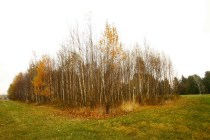 Birches in brisk air:
Scattered rows of white matches
clinging to last flame.
A continuation of Haiku: Autumn in MN.
A few more haiku inspired by autumn in Minnesota’s Nature:
 Rows of red fingers
interlock in rev’rent grace.
sumac radiance

Towering green brush
dipped in cadmium orange.
Maple turns a leaf.
 Quaking flakes of gold
 A friend gave me syllabic criticism on a haiku I had written. I argued ‘wild’ was indeed two syllables; or at least it is when I pronounce it in my dialect, with a schwa before the ‘ld’. Looking online, every site said ‘wild’ was one syllable. Finally on a forum, I found a post stating that although some diphthongs may sound like two syllables in some dialects, such as ‘wild’ for me, a diphthong is a moving monosyllabic sound and so it is always only one syllable. So I stand corrected and wrote the following haiku about it. (apparently ‘prayer’ is two syllables, even though I would argue the vowel mix in the middle is all diphthong, but that’s a new rabbit hole to tackle at another time). Until then, my haiku on phonetics:
it seems diphthongs are
moving monosyllables.
may sound two, e’er one
A few haikus written from the inspiration of autumn in northern Minnesota:
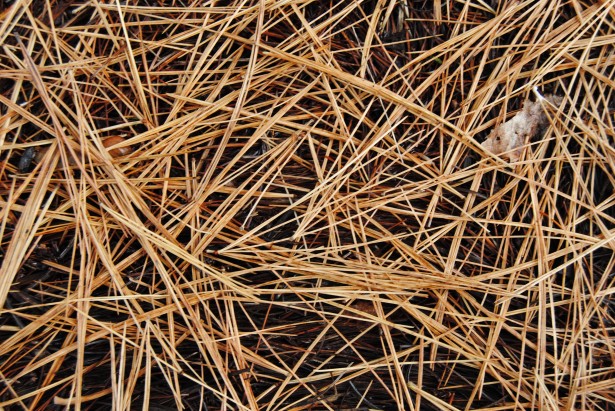 wind swirling tall pines:
The gravel is carpeted
in fresh, amber shag.
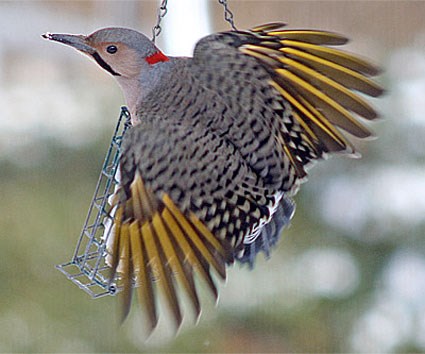 flickers and robins
As orange breasts herald spring,
yell’ wings lead the fall.
 those wild crimson lips
kiss the shrubs where roses grew,
bid farewell to green
 The climax of our show ‘Ziibi’ was going to be a butterfly, and it was going to be awesome. We wanted to end with a ‘wow’! We wanted a huge butterfly, larger than life, ending the show by flying over the audience. Unfortunately, live theatre exists in a world with laws of physics and gravity.
I don’t have pictures of the building process, because it was a frustrating series of trials and errors and dead end ideas. At first we thought we could somehow attach enormous butterfly wings to a quadcopter and flap the wings with the movement of the drone up and down. That led down a path that seemed more plausible of buying or building an ornithopter that could be flown by remote control and have actual flapping mechanics keep the butterfly in flight. Besides being expensive, that also didn’t prove to be practical because of the speed it would have to travel, which would not give us the control we would need for stage. I bought a $50 ornithopter RC bird, that we thought might also be usable as birds in another number for the show. I tried extending the wings into a caterpillar, but the little, light-weight flyer did not have the torque needed for large butterfly wings.
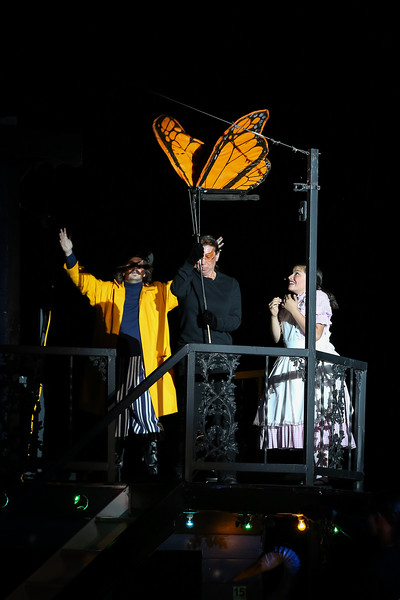 Then I figured I could build a motorized ornithoper to power the wings, but then suspend it hanging from a pole to control the speed and not have to worry about keep it in flight. I bought a little RC car and destroyed it for the motor. Again, the puny little motor didn’t have nearly enough torque to drive the large wings. Around the same time, I had ordered an ornithopter kit to build a rubberband-powered flyer. It taught me the mechanics needed, but as a small light-weight flyer, it wasn’t what I needed for such a large prop.
In the end, I built a non-flying ornithopter, which is held on a stick, powered by the puppeteer driving a PVC sleeve up and down along the handle, which powers the rods to flap the wings. Although it was built, my time with it wasn’t finished. It required numerous repairs and replacements, as the wooden dowel rods couldn’t hold the strain from the torque of the wings. Alas, it’s not much of a story, but it was certainly a learning experience.
In creating a visually intriguing show celebrating life on the Mississippi and in the Minnesota wilderness, it seemed having a more-or-less life-sized moose could be pretty cool. We found some stilt designs for cosplay satyrs and werewolves and adapted them for a quad-stilt application. I had started plotting out the plan to build this in an earlier post, but now the puppet/costume is complete and so here’s a review.
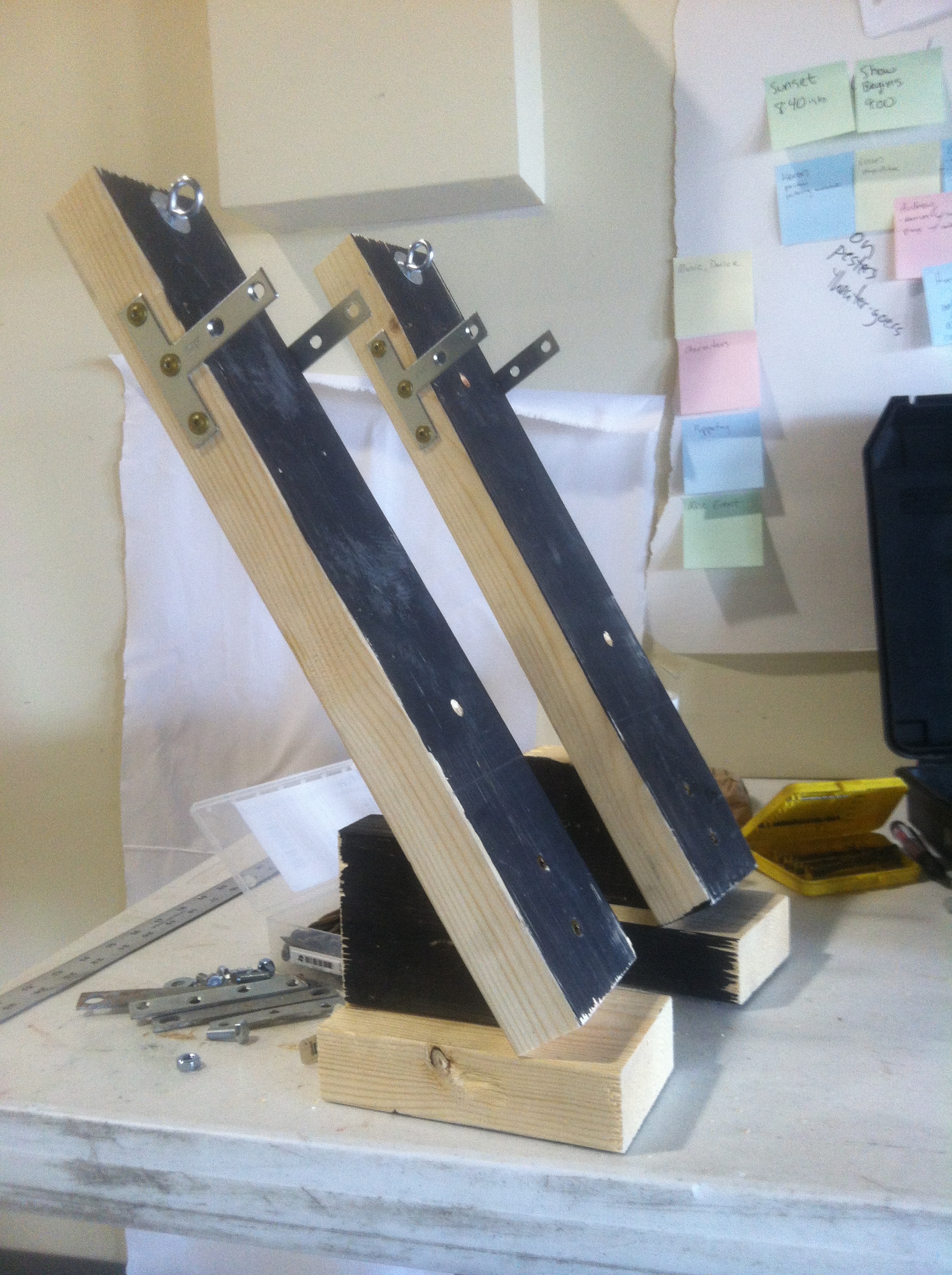 Oddly enough, building the stilts was more or less the easy part. The strapping system proved to be more difficult. Eventually we screwed a pair of old shoes to the 2×4’s and secured the shin rest to the leg with industrial Velcro strapping. Several people explained concerns of safety, but with 2×4’s, GRK fasteners, and metal supports, I feel that we built it with sufficient security.
 As with the construction of the heron, we planned to make the head from a reed or sapling frame covered in fabric. This proved to be impractical for several reasons. Needing to be strong but light-weight, we ended up constructing the head from a couple of re-purposed milk jugs secured with hot glue and duct tape. Antler were made from foam sheets and backer rod, and the head was extended by two dowels from an old construction helmet. The front-heavy apparatus had to be secured down the back via two cords that hooked onto the actors’ rear belt loops. Needless to say, it also became a wicked wedgie-maker.
 We started with a brown primer to bring the milk jug, tape, and all components into a uniform color. Then we waffled on whether to keep it a traditional brown moose, to go with a red Dala moose, or two what we ended with, which was a blue moose that fit the palette of the show better than the red Dala moose we had been planning. A re-purposed graduation gown turned upside-down served as the cape and covering for the actor.
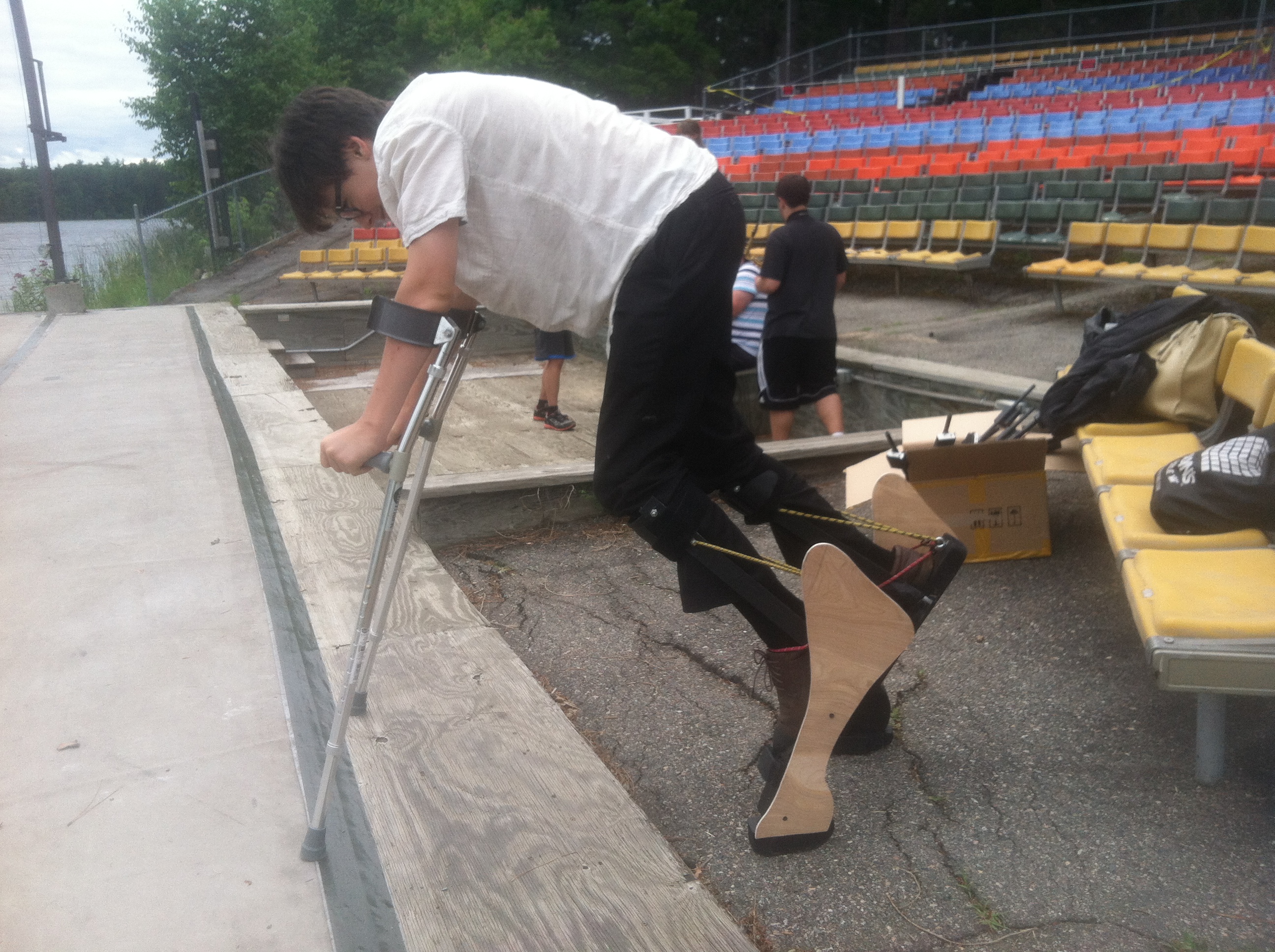
Actor Nick Pritchard testing the stilts
Our moose actor, Nick, took to the stilts quickly and became rapidly proficient. He was able to mount and dismount the stage from the adjacent boat and ascend and descend the slope running along the audience. The forelegs were re-purposed crutches donated by one of our cast members. We covered the crutches with pipe insulation to thicken them, and added hooves made from backer rod.
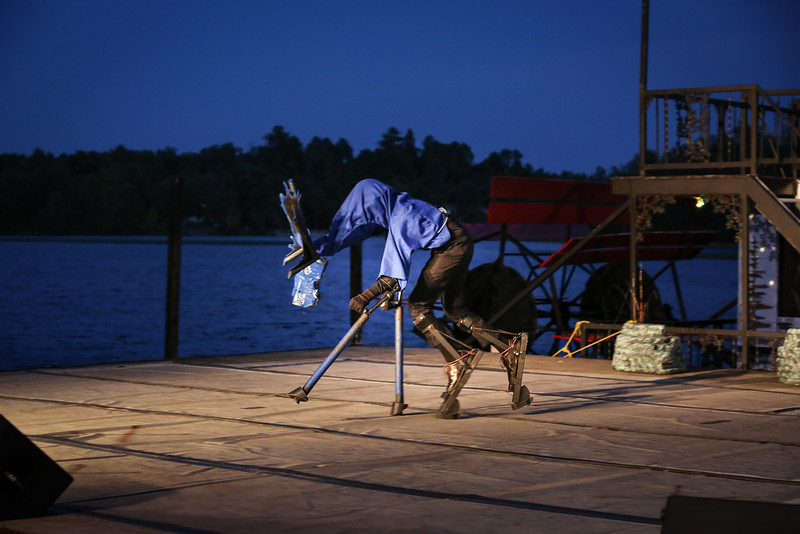
Moose in performance. Photo credit: Jennifer Mariano
The only shame is that ‘Marvin the Moose’ didn’t get more stage time in the show, but there was some charm in his rare, elusive appearances. (As a side note, Nick got pretty good on the stilts and could even walk upright. When walking upright, he bore a striking resemblance to the wendigo of Ojibwe lore.)

Moose in performance among the birches. Photo credit: Jennifer Mariano
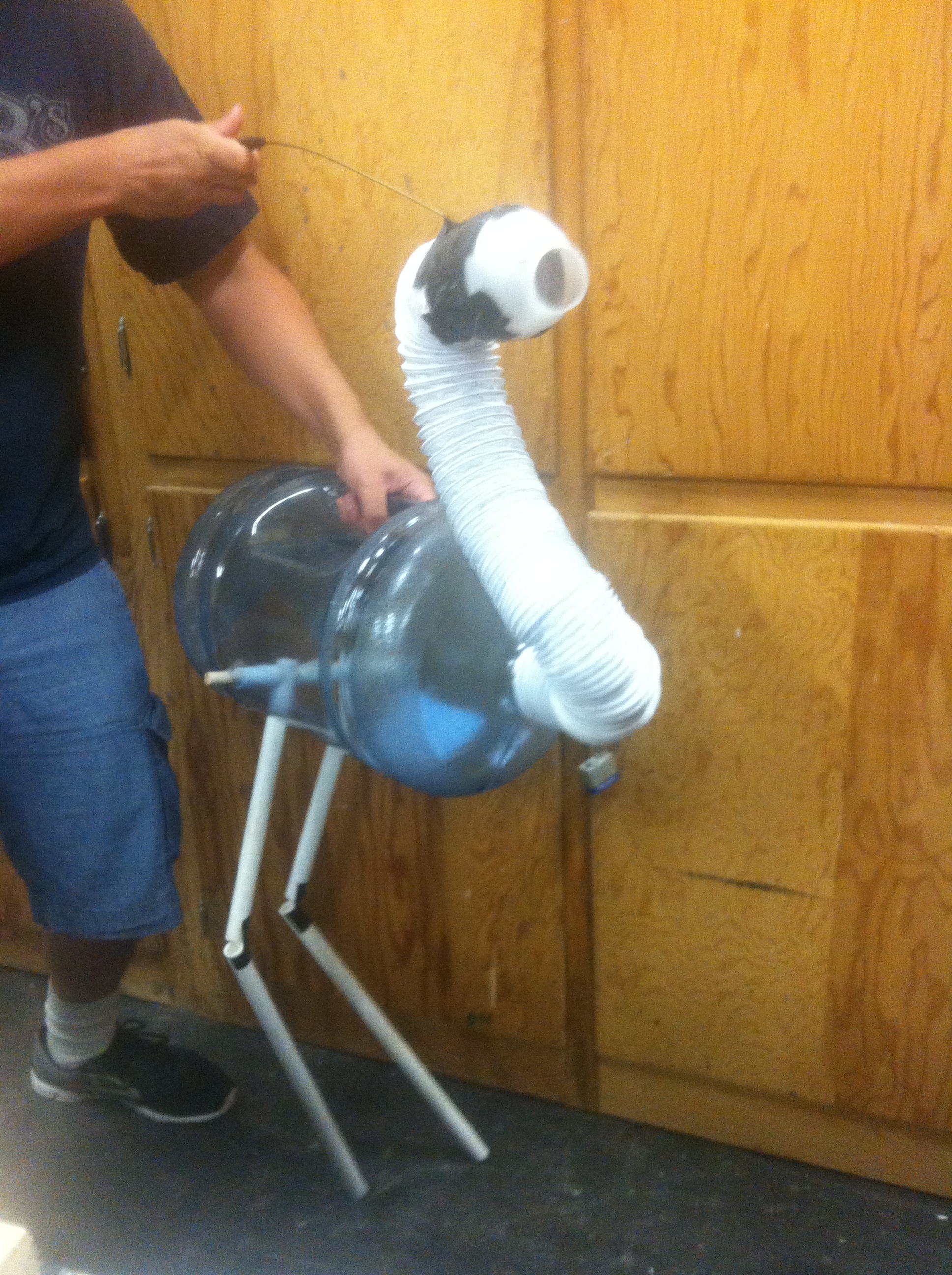
Heron in progress.
In a story celebrating life on the Mississippi, one of the first visual elements we wanted for the show ‘Ziibi’ was a life-sized heron interacting with characters and audience. Originally the hope and concept was to build the heron mostly out of natural materials, such as a body framed with young, flexible saplings or reeds covered by dyed fabric. For various reasons, that proved to be impractical, and so we ended up constructing the bird mostly from plastic, and mostly from recycled materials. The body may be recognizable as a 5 gallon water cooler jug, which I had several laying in my basement from buying water to make home brew. Legs were constructed from PVC left over from another project.

Heron in progress.
Feathers were made from various recycled milk jugs, which incidentally don’t hold paint very well. We’d recommend sanding them first so that the paint can stick. Breast and crest feathers were made from zip ties, and the neck was a flexible vinyl hose, and the head from a quart-sized milk bottle. So although the heron wasn’t made from natural, local materials as originally hoped, at least she was about 75% recycled/reused material.
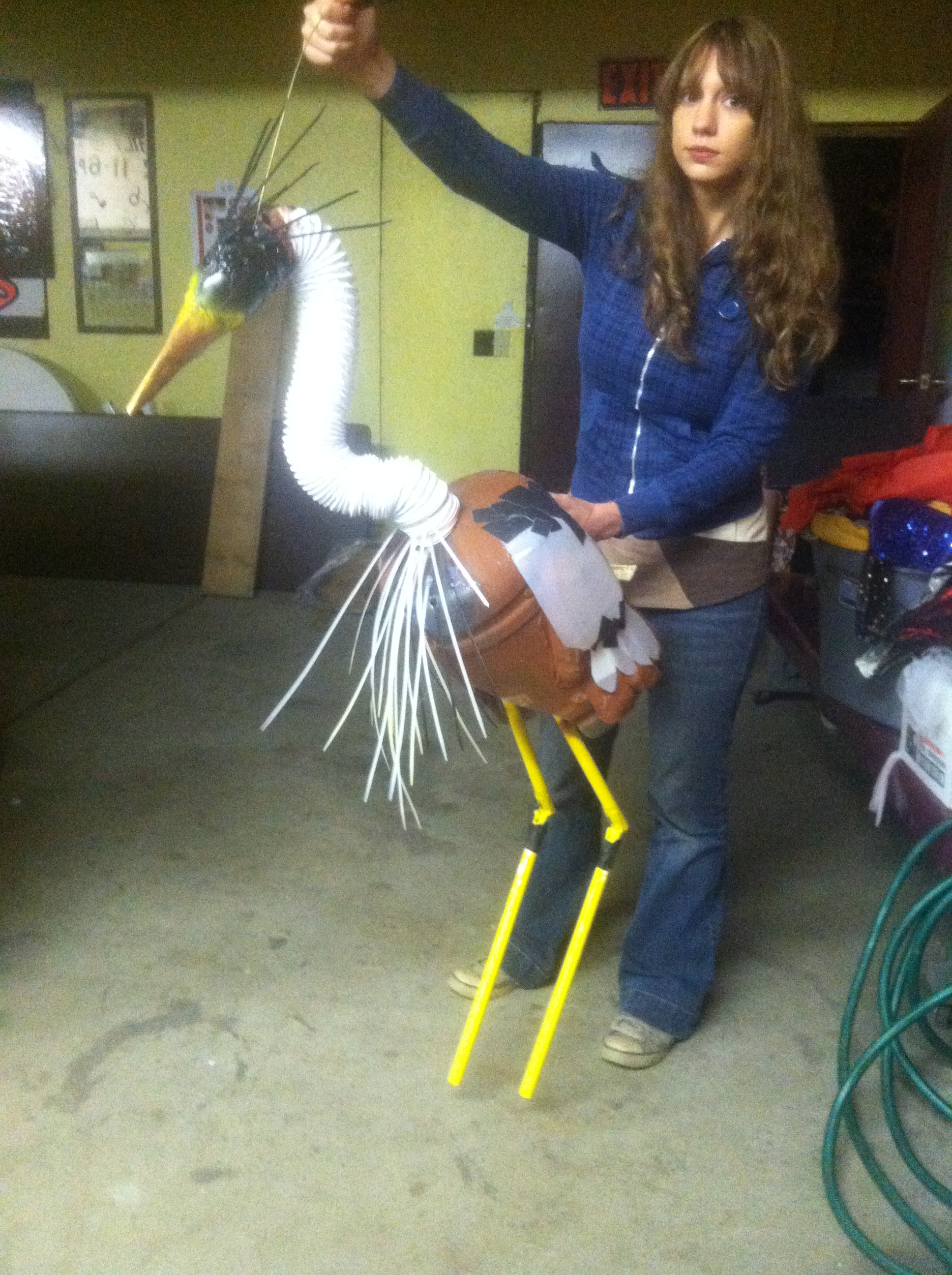
Sharon the Heron before her paint job. And before her footwork.
Without movement, a puppet like our heron is just a pile of lifeless plastic. It takes talent and skill to bring such an inanimate object to life and give it character. Our puppeteer, Rachel Randle, studied YouTube videos of heron movement and did an applaudable job of bringing the bird to life and giving Sharon the Heron characterization. Little things like leading the walk with the movement of the head, shaking water off the head, and preening itself were subtle tricks that made the audience see a living heron and not a pile of recycled plastic held by an actor.
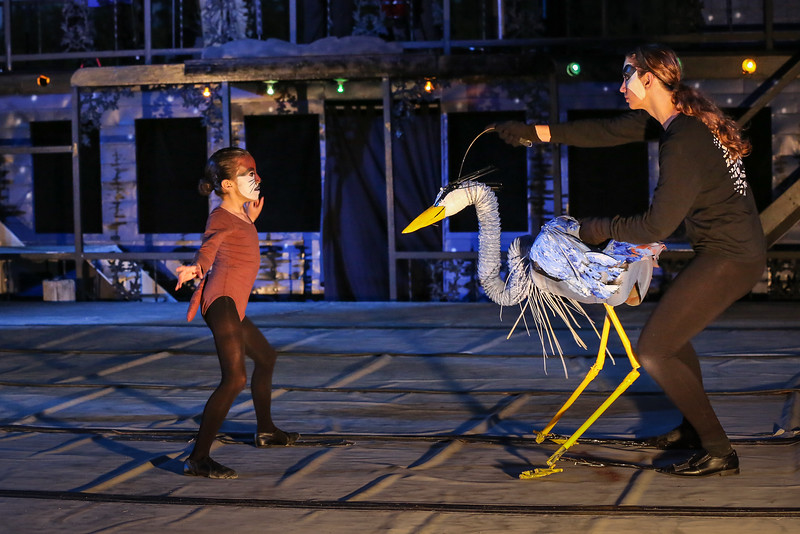
Heron in performance. Photo credit: Jennifer Mariano
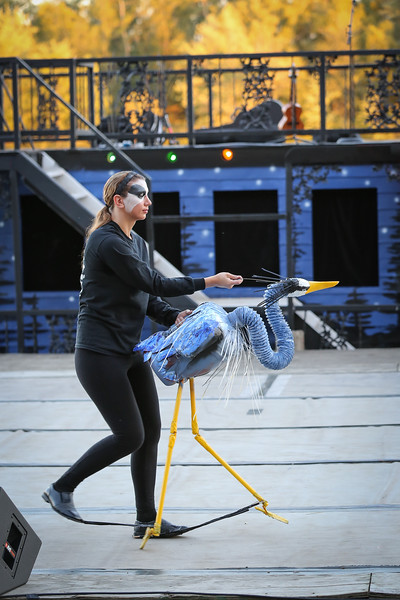
Building the heron, as well as the other props and puppets, was a series of experiments, bouts of trial and error, trouble-shooting, and repair. Originally designs were attempted to make the feet and legs move with an engineering of levers and pulleys so that it could be made to walk with the same hand holding the bird’s body. This worked with minor success, but had limited control and effect. We designed to connect the bird’s feet to the puppeteer’s feet. That brought its own challenges, but proved to be the best control of movement and character. As evident in the photo, the feet were a bit gimpy and had some trouble staying aligned. If we were doing more than a short run of six shows, we certainly would have gone back to the drawing board. But as it was, the feet were generally functional and only occasionally did the heron look like she was walking in a constant grapevine action; or more accurately, only occasionally was it walking with broken ankles.

Heron in performance. Photo credit: Jennifer Mariano
We had the heron walking about in the crowd for fifteen minutes before the show, and she was a big hit. Kids loved her, dogs feared her, and adults struggled to keep their popcorn away from her. Now that the run of ‘Ziibi’ is over, I hope she will find another opportunity to come alive again.
 ArtesianMind