autumn haiku and micropoetry 2016

horns heard overhead:
an elegant brass quartet
in white tuxedos.

Brown fallen leaves bask
in the warmth of rising sun.
Forest floor crinkles.

If you hear a deer
coming in your direction,
It’s prob’ly a squirr’l.

‘republican democracy’
but come election, what I see
suggests contrived dichotomy

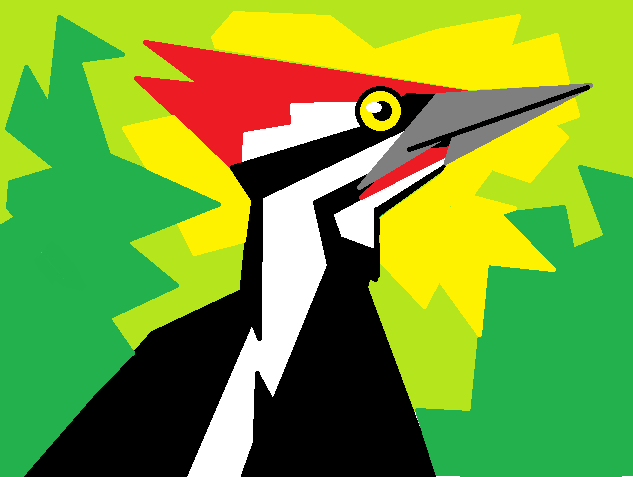
Ode to a Woodpecker’s Fashion

I’m impressed with the way that you’re dressed.
You flamboyantly wear that vermilion crest.
Your neat conical fez, while it points to a peak,
is just challenged in greatness by only your beak.
And although you display with your red, mohawked hair
that concerning conformity you do not care,
that in spite of rebellion displayed in your flare,
you’re surprisingly regal in suit that you wear.
In a charcoal tuxedo, nay, ebony black,
how it glistens like satin down curvaceous back.
Let it be ever stated, however absurd
that I envy the fashion of wood pecking birds.


-published summer 2018 edition of Great Northern News

woodpecker

That Cheshire Cat

I saw him first
one wintry ski.
I saw his sage
face smile at me.
That Cheshire Cat
could barely see;
with one eye gone,
I thought him cursed.

And ev’ry day
I’d ski that trail,
That cat sans bod
and lacking tail,
That Cheshire Cat,
‘neath quiet vail;
would watch me pass
and nothing say.

I’d lichen him
to pompous jerk;
He grinned at me
with smuggy smirk.
That Cheshire Cat,
with silent bark;
his vig’rous face:
his only vim.

I couldn’t say,
Why’I thought he’d leave,
when weather warmed,
from tree retrieve.
That Cheshire Cat,
I din’t believe
would linger long
before he’d stray.

But then came spring,
and summer, too.
The puss was there
each fall anew.
That Cheshire Cat,
he moss have knew
th’amusement that
his face would bring.

Now at those hills
when I go hike
or ski or hunt
or fat-tire bike,
That Cheshire Cat
I’ve grown to like
will give me si-,
-lent, subtle thrills.
Summer Haiku and Micro-Poetry

How often
do two twigs
work together
to catch a pine cone?

song sparrow on post.
a second one brings breakfast.
shared food. shared table.

bumblers and hummers
answer the invitation
of monarda blooms

juvenile robin
half-dozen worms droop from beak
“eat like a bird?” Ha!

a warbler
yellow-rumped
window-stunned
fear and senses stalled
just long enough
to be my friend
if only for a moment.

Twin yellow comets
chase each other, synchronized
Give up, land on limb

chipmunk’s spring deposits
are now towering blooms.
what seemed to be hoarding
has proven to be investing
with beautifully high returns.

in long, single file
like Beatles on Abbey Road
three gaggles parade

wind blows sweetly
through the reeds
while the bass
pulses underneath
and strings strum
to hold it all together

a heavy air that threatens rain
and brings excuse to stay inside
is welcomed as an air to claim
a day of rest too long denied

A toad.

A toad

found floating
in a rain-filled watering can
in my garden.

Alive.

How did he get in there?
How long had he been in there?

Were his thoughts of despair
that this would be his slow, saturated end?

Were his thoughts of hope
that something would come to free him?

Or were his thoughts none at all
as he hopped through life
moment by moment
without any concern
of what the next moment would bring?

Either way
I tipped the can
and drained the water
and he didn’t even hurry
to escape
from his would-be watery grave.

So I left the can prostrate
so that he could hop out
and continue his life
and his moments
at his own leisure.

I was his savior
and he didn’t even care.

He didn’t even
seem to know.


-published 2017 edition of Spring Thaw! Itasca Community College

image

Shrieking Woman

O shrieking woman of early morn:
You shatter the silence with your horrid voice.

You’re black and beautiful
with a shaggy throat.

But no heavenly beauty can redeem for such a hellish voice.

The others sing a melody,
delightful harmonious cacophony.
But you, my dear, just squawk and caw
ear-twinging screams
of laboring squaw.
I daresay your nails
on a chalkboard slate
would produce a sound
more pleasant
more pleasing
less grating.

The others’ calls
welcome the day
and herald the sun

but I fear your war cries
will kill the day,
send the sun in full retreat,
and leave us in darkness.

Shut up.


-published 2017 edition of Spring Thaw! Itasca Community College

Spring Haiku and MicroPoetry

IMG_1461Shadows of snow
tracing the ground
Where sun didn’t go.
into a gray world
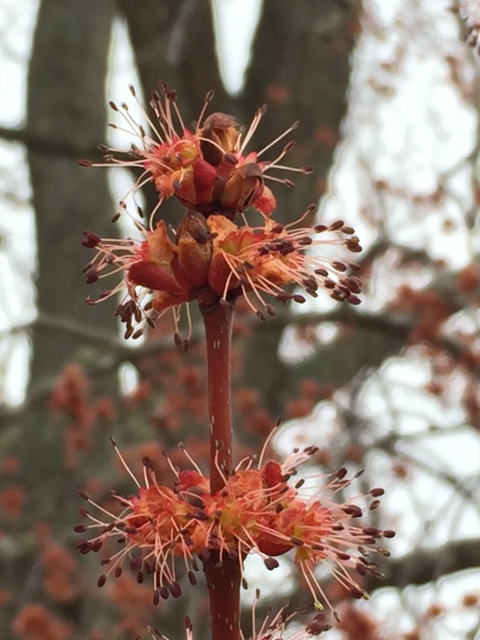
with unassuming blossoms
maples bring color

syrupy buds prepare
to unfurl their green crepes
with sweet and sticky air

tulip in a vase
from the wind a bumblebee
withdraws to withdrawal


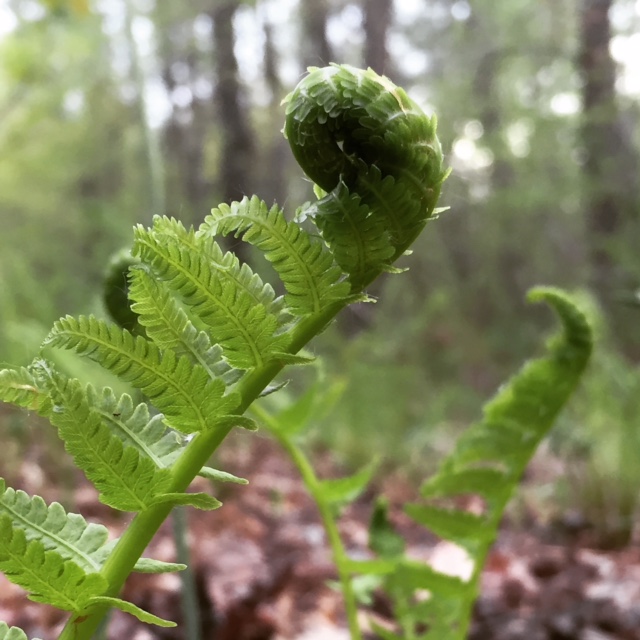
IMG_1785Awake,
Unfurl,
and Free your fronds!
Stretch your spine,
Release your yawns.
your season Breaks:
the frost is gone.


red licorice sticks
with sprigs of mints:
harbingers
the rubus confectionery
will soon open for business

February-March Micro Poetry

IMG_1012 I am here to entertain.
The least you could do
is feed me.

—–

three dozen birds flock the front yard
red polls and pine siskins
a rowdy crowd of hungry guests
fighting for seats at the table

IMG_1207Rusted autumn leaves
linger well past their season.
Some just can’t let go.

Two bursts of rainbow
frame the intense morning light:
Celestial sun dogs.

IMG_1268Soft paws stretch outward,
Yawning free from a long rest
ere they turn to leave.

Fifty feathered troops:
An army of red berets
attacks my feeders.

Tapping on Tuesday

A maple with spile:
No tap at any saloon
gives forth such nectar.

It’s a tradition in my family to tap the maples and boil sap. Hauling buckets, cooking outside, doing it the old fashioned way. I remember going to my grandparents’ on the north shore of Mille Lacs as a kid, basking in the sweet steam from the pan and catching sweet drips straight from the tap into my mouth.

Maple syruping is a lot of work. My grandparents are still going strong, but at ages 92 and 88, it’s been a few years since they put out the taps. I’m eager to pick up the tradition again and carry it forward. This year I’m going small scale with just a half-dozen taps, will cook in a pot on a propane burner, and will be happy to produce a single cup of syrup. Next year, though, next year… next year I hope to use the family pan. At my grandparents’ is a sorghum pan the my great-grandfather purchased from a Montgomery Ward catalog for $11. Patched and polished, it still works, and it’s the part of the Hall syrup legacy.

Before then, there will be much work to do for next year, including building the firebrick infrastructure to support the pan, splitting wood into small pieces, and the rest of the labor that goes into this love. Until then, I will revel in cooking a tiny batch of syrup for satisfaction of the experience. The rest my annual supply I will have to source from my friends’ internationally awarded, commercially produced, locally made syrup at Fideldy’s Timbersweet.